Three years ago I traded a lease for a steering wheel. I didn’t plan it as a grand gesture — there was no goodbye party, no viral video, no dramatic quitting-my-job speech filmed in an empty office at midnight. I just stopped renewing things. The lease first, then the gym membership, then the storage unit I’d been paying for out of guilt more than need. By the time I sold the last of the furniture, life on the road wasn’t a decision I’d made so much as the only thing left standing once I’d stopped propping everything else up.
This is the story of how WideSprout Travel came to exist, and why, three years and dozens of border crossings later, I still can’t imagine going back to a life with a fixed address.
The Job That Looked Fine From the Outside
For six years I worked a job that most people would call good. Decent pay, decent title, a manager who mostly left me alone. I had a one-bedroom apartment with actual matching furniture and a balcony I used maybe four times a year. On paper, there was nothing wrong with any of it.
But I’d started noticing a specific kind of dread on Sunday evenings — not about the job itself, but about the sameness of it. The same commute, the same lunch spot, the same conversations about weekend plans that were really just errands with better branding. I began keeping a note on my phone titled “places,” and every time someone mentioned somewhere they’d been — a ferry crossing in Croatia, a night bus in Vietnam, a road that hugged the Norwegian coastline for three hundred kilometres — I’d add it to the list and close the app, telling myself someday.
The list hit sixty places before I admitted “someday” was doing a lot of work to avoid saying “never.”
The Van, and Why It Had to Be a Van
I looked at every version of this fantasy before I committed to one. Backpacking indefinitely appealed to the minimalist in me, but I’d done enough hostel dorms in my twenties to know I wanted a door I could lock and a bed that was mine every night. House-sitting and slow travel through Airbnbs sounded reasonable until I did the math on how fast it would drain the modest savings I’d built up. What I actually wanted was something in between: enough freedom to change my mind about a destination on a whim, and enough stability that “home” meant something more solid than a shifting sequence of other people’s guest rooms.
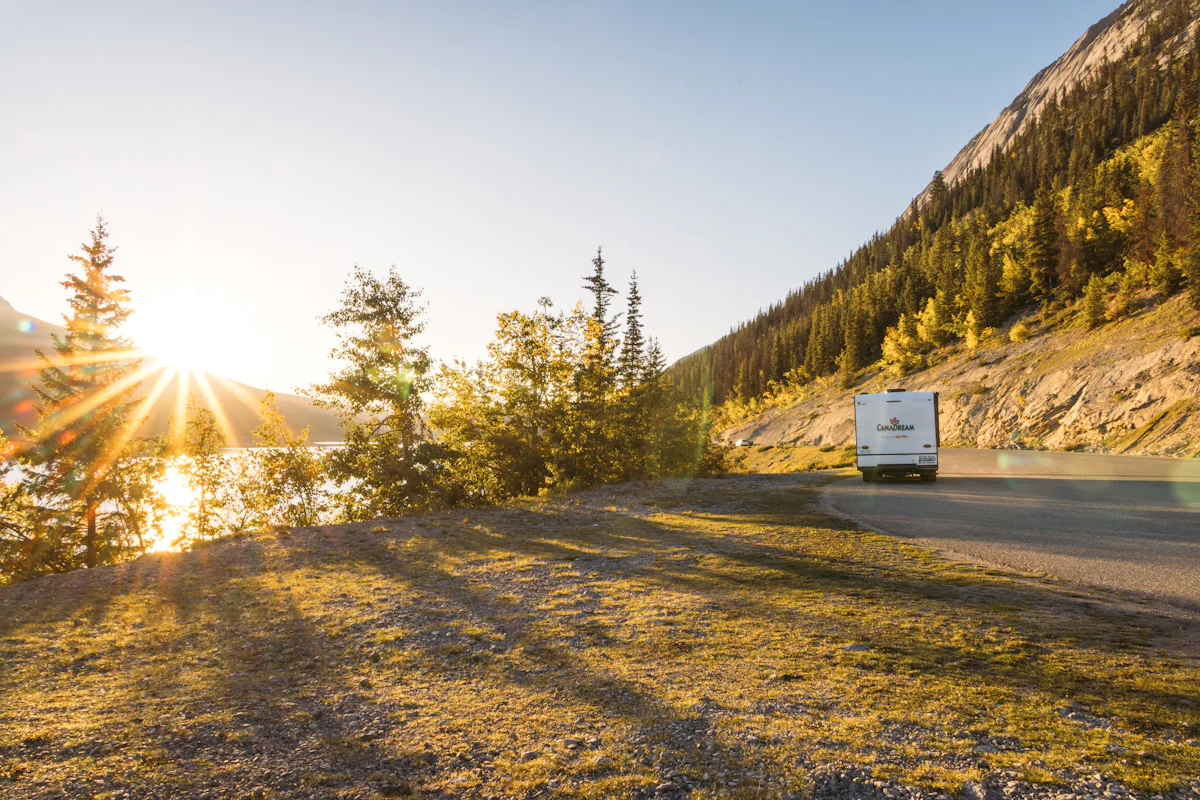
A van split the difference. I bought a decade-old panel van from a guy who’d used it for his tiling business, gutted it over four months of weekends, and taught myself just enough basic electrical work to wire a leisure battery without burning the whole thing down. It is, to this day, the single most useful and most infuriating thing I have ever owned. It has broken down in a mountain pass in the Balkans, flooded slightly during a genuinely biblical rainstorm outside Porto, and gotten me, somehow, through six countries’ worth of customs checkpoints without ever once being searched.
I did not know, when I bought it, that it would also become the thing that finally got me writing again.
The First Border Crossing
The first time I drove the van across an international border, I was more nervous than I’d been on any flight in my life. There’s something about approaching a checkpoint in your own slow-moving home, watching a guard walk the length of it with a flashlight, that strips away every illusion of control you thought you had over your own trip. He could, in theory, turn me around. He could ask questions I hadn’t prepared answers for. He could decide, on a whim, that today wasn’t my day to cross.
He didn’t. He asked where I was headed, stamped a passport that already had more stamps in six weeks than it had accumulated in the previous six years, and waved me through with the kind of boredom that told me this was, for him, Tuesday. I drove another twenty minutes before I had to pull over, because I was crying in a way that had nothing to do with sadness and everything to do with the sudden, overwhelming sense that I had actually done the thing. Not planned it. Not saved for it. Done it.
That feeling — the strange, borderless clarity of standing in a place you have never been, having gotten there entirely under your own power — is the thing I have spent three years chasing since, and the thing this entire blog is built to hold onto.
What “The Borderlands” Actually Means to Me
I called this blog a love letter to life lived on the borderlands, and I get asked sometimes what that phrase is supposed to mean, since I’m not actually based in any one borderland. The truth is it’s less about geography and more about a state of mind. A border crossing is one of the only moments in modern life where the rules visibly change underneath you — the language shifts, the currency shifts, the unwritten social contract about how close to stand to a stranger shifts — and you feel every bit of that change in real time.
Most of my life before the van was spent very deliberately avoiding that feeling. I liked knowing the rules. I liked predictability. What the road taught me, slowly and sometimes painfully, was that the discomfort of not knowing the rules is where almost everything worth remembering actually happens. The best meal I’ve ever eaten was at a family-run tasca in Porto I found because I got lost looking for somewhere else entirely. The friend I still talk to every week, three years on, was a stranger who helped me jump-start the van’s battery outside Kotor Bay and then invited me to dinner because, as she put it, “you looked like you needed a proper meal, not service station bread.”
None of that happens if you stay inside the lines. The borderlands, real or metaphorical, are where the good stories live.
Three Years, Six Regions, and a Blog I Never Meant to Start
I didn’t set out to write about any of this. For the first eight months on the road, the only record I kept was a battered paper notebook I’d scribble in by headlamp, usually about practical things — which campsite had decent showers, which mountain pass to avoid in a crosswind, which border crossing had the friendliest guards. It was a friend back home, reading screenshots of those notebook pages over a video call, who told me I owed it to future travellers to actually publish the thing properly.
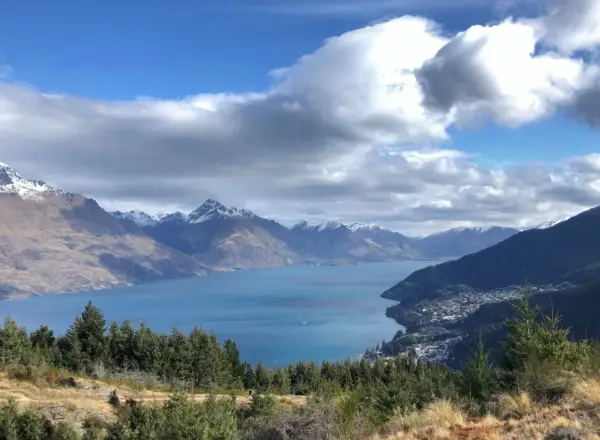
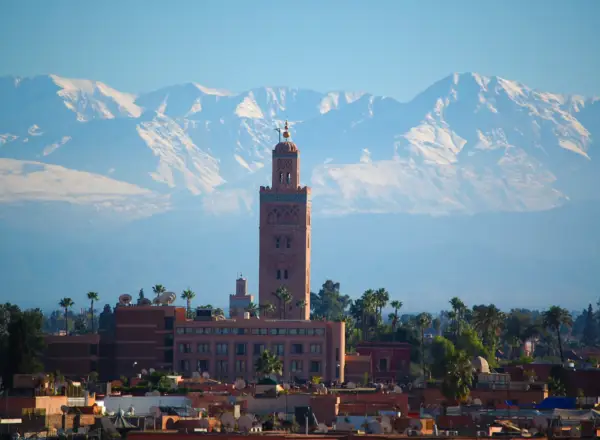
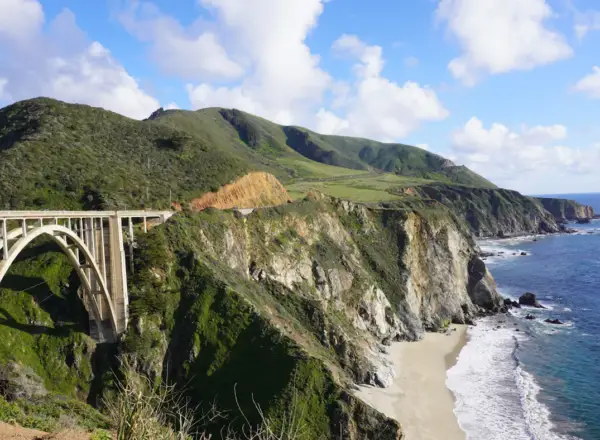
WideSprout Travel started, in other words, as a favour to a friend and a way to justify the hours I was already spending writing anyway. What it’s become is something closer to a running map of everywhere the van has taken me: the Douro Valley’s terraced vineyards and Porto’s tiled rooftops, the fjords and midnight sun of Scandinavia, the scooter roads of Southeast Asia, the glacier-carved drama of Patagonia, the sun-bleached coast of the Balkans, and the long, unhurried stretch of Highway 1 up America’s West Coast. Every guide and every story on this site started the same way this whole project did — as notes scribbled somewhere inconvenient, in a language I was three days into learning badly, about a place I’d never have found if I hadn’t first traded a lease for a steering wheel.
Why I’m Still Doing This
People ask, understandably, when the trip ends. When I’ll settle back down, buy the apartment, get the job with the pension plan. I used to have an answer ready — some version of “a few more years” that I gave more to reassure them than because I believed it. I don’t have that answer anymore, and I’ve stopped pretending I need one.
What I have instead is a van with 140,000 more kilometres on it than when I bought it, a notebook that’s now on its fourth volume, and a working theory that the life most worth living is the one where you keep letting yourself be surprised. Every region on this blog taught me something I couldn’t have learned staying still: patience, from waiting out weather in a Norwegian fjord with nowhere to be; generosity, from strangers across a dozen countries who fed me, fixed my van, and asked for nothing back; and the simple, durable joy of a good road with nowhere urgent to be at the end of it.
If you’ve read this far, you’re probably somewhere on your own version of that “someday” list — the note on your phone, the trip you keep meaning to plan, the border you keep meaning to cross. I can’t tell you exactly when to go. I can tell you that the version of me who kept adding places to a list and closing the app never once regretted, on the other side of a border, having finally opened it for good.
Welcome to WideSprout Travel. I’m glad you’re here for the ride.
Photo by Rafael Peier on Unsplash.